Focused arrival windows
Useful updates and clear arrival timing.
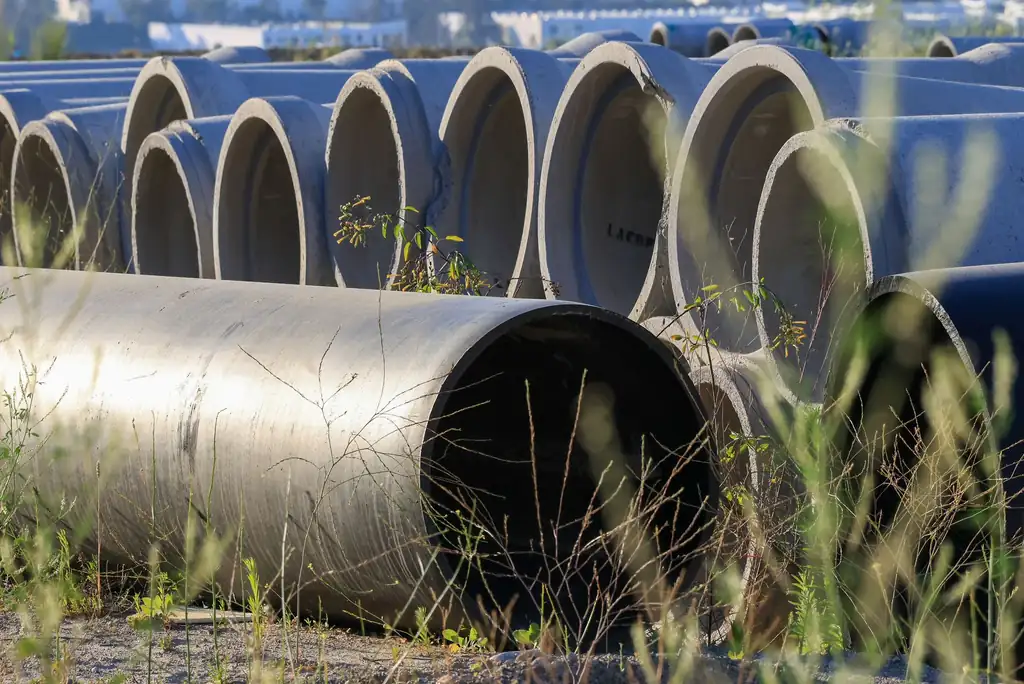
A sewer camera inspection El Dorado Hills CA gives you eyes inside the pipe, not a guess. We run a RIDGID camera from the cleanout to the city main, record every foot, and mark the exact depth of cracks, roots, and bellies. Homeowners in Serrano, Blackstone, and Four Seasons call us when a drain backs up twice, when a sewer scope El Dorado Hills California is required before closing, or when a slow line needs a real answer. Same-day slots, 24/7 emergency response, and a written report you can hand to any contractor or realtor.
Useful updates and clear arrival timing.
Review the approach and price before deciding.
Equipped vehicles and respectful cleanup.
Neighbors serving neighbors with follow-through.
Every camera run includes the same core work, whether it is a routine pre-sale scope or an emergency call. If the line needs more than a cleaning, we quote it separately and you decide before we start. Here is what you get on the invoice.
We run the camera from the cleanout to the city main or the full accessible length of the lateral, recording the entire pass. You watch live on the monitor and can ask questions at any point. Footage markers every 10 feet let us reference any defect precisely later.
Any crack, root intrusion, belly, or offset gets a still photo and a ground mark. We use a pipe locator to flag the spot above ground and note the depth in inches and distance from the cleanout in feet. That is what keeps a future repair small and targeted.
You get an emailed report with pipe material, line length, defect list, photos, and our recommendation. It is formatted for escrow, realtors, and insurance claims. Most reports go out within a few hours of the visit, and we are happy to walk your agent through it by phone.
If the camera shows work is needed, we quote it flat before we leave. Hydrojetting, root cutting, spot repair, lining, or replacement, all priced up front. No hourly billing, no change orders mid-job. You approve the number or you do nothing at all.
Share what is happening and receive a clear next step from the local team.
A sewer camera inspection El Dorado Hills CA is a diagnostic service that pushes a waterproof, self-leveling camera head through your lateral line to record the pipe's true condition. We start at the cleanout, feed the reel 60 to 120 feet toward the main, and watch live on a monitor while the camera logs distance, depth, and pipe material. You see the same footage we do. PVC pipe, ABS pipe, cast iron, orangeburg, and clay tile all read differently on camera, and so do the failures: root intrusion at a joint, a cracked bell, a 2-inch belly holding water, or pipe corrosion flaking off the wall.
El Dorado Hills sits on clay-heavy soil and mature oak canopy, two conditions that punish sewer laterals. Roots hunt moisture at every joint, and winter rain saturates the trench until the pipe shifts. That is why we get calls from Governor's Village and Lake Ridge after the first big storm, and why a sewer line inspection El Dorado Hills is standard before any home sale in El Dorado County. If you need a sewer camera inspection in El Dorado Hills CA near me on a Friday afternoon, we keep evening and weekend slots open for exactly that.
You call +1 916-975-0088 or book online. We ask three questions: where the backup shows up, how old the house is, and whether you have a cleanout. That tells us which camera reel and which access point to bring. Most El Dorado Hills addresses get a same-day or next-morning window, and we text you the tech's name before he rolls.
The tech finds your cleanout, or pulls a toilet if the house has no exterior access. We protect the floor, set the reel within 10 feet of the opening, and check the pipe size. A 4-inch lateral takes a different camera head than a 2-inch kitchen branch. This step takes 10 to 15 minutes and sets up a clean, accurate run.
We feed the camera head down the line at a steady pace, watching live on a 9-inch monitor. The head self-levels, so you see the pipe the way water sees it. We log footage markers every 10 feet and stop at anything that matters: a root ball, a crack, a joint offset, standing water. A standard residential run reaches the city main in 15 to 25 minutes.
When we find a defect, we hold the camera there, capture stills, and use a pipe locator to mark the spot above ground. You get the depth in inches and the distance from the cleanout in feet. If the line needs work, that mark is where we dig, line, or cut, which keeps the repair small and the lawn intact.
We walk you through the footage, explain what is normal wear versus a real failure, and email a written report with photos the same day. If the line is clear, you are done. If it needs hydrojetting, root cutting, or a spot repair, you get a flat quote before we touch anything. No pressure, no surprise line items.
Self-leveling camera head on a 200-foot push reel, used for standard 2-inch to 6-inch laterals. Records footage with distance markers so defects can be referenced precisely in the report.
Backup reel for long or difficult runs, with a smaller head for tight branches and a larger head for commercial lines. Keeps us from rescheduling when a line is deeper or longer than expected.
Sends a signal down the camera line so we can mark the pipe's path and depth above ground. This is what keeps a future repair pit small and your landscaping intact.
Sized to your pipe diameter, it slices root intrusion at the joint after the camera shows us where the mass is. We re-scope after cutting to confirm a clean bore.
Delivers 3,000 to 4,000 PSI to scour grease, scale, and soft debris off the pipe wall. Used when the camera shows buildup rather than structural damage.
Clears soft blockages fast when the camera shows grease or wipes rather than roots. We still scope after snaking so you know the line is truly open.
The standard residential run. We feed the camera from the exterior cleanout to the city main, logging footage every 10 feet. This is the pass realtors and escrow officers expect, and it covers the full accessible lateral in one trip.
A documented inspection formatted for escrow. Includes pipe material, line length, defect list with photos, and depth marks. Buyers use it to negotiate; sellers use it to prove condition. Same-day delivery in most cases.
After any hydrojetting, root cutting, spot repair, or lining, we run the camera again to prove the fix. You get before-and-after footage in the same report. If the line is not right, we keep working until it is.
Before any dig, we use the camera and pipe locator to mark the line's path and depth on the ground. This is how we keep repairs to a single pit instead of trenching the whole yard, and it is standard on every job that involves excavation.
We run a full camera pass from the cleanout to the main, document pipe material and condition, and email a report formatted for escrow. If we find defects, we quote the repair so you can negotiate with real numbers. You close with a clear picture of the line, or you get a credit that covers the fix. No surprises after move-in.
That pattern points to a main line restriction. We camera the lateral, find the blockage, and clear it with hydrojetting or a root cutter. Then we re-scope to prove the line is clean. The gurgle stops, the toilet drains normally, and you know exactly what caused it and whether it will come back.
Repeat clogs at the same distance mean a defect the snake cannot fix. We camera that section, identify whether it is roots, a belly, or a break, and quote the right repair instead of another snake job. You stop paying for temporary fixes and get a permanent repair with a warranty and a follow-up scope.
We run a camera inspection and provide a written report with footage markers, photos, and pipe condition. It is the same format local realtors and escrow officers already accept. The sale moves forward without a renegotiation, and you have documentation that protects you after closing.
El Dorado Hills laterals deal with two things most of California does not: expansive clay soil and mature oak roots. The clay swells when it is wet and shrinks when it dries, which shifts pipe joints over time. Oaks send roots toward any moisture source, and a lateral joint is a moisture source. That combination is why we see so many root intrusions and offset joints in neighborhoods built between 1965 and 1985, including parts of Ridgeview and Crown Village. Newer builds in Blackstone and Watermark use PVC pipe with tighter joints, so the common issues there are bellies from settling and grease buildup rather than roots. Winter storms are our busiest season, and we keep emergency sewer camera inspection El Dorado Hills slots open when the rain hits. If you need a sewer line video inspection El Dorado Hills California before a home sale, we work directly with local realtors and escrow officers and can usually turn the report around the same day. We also carry EPA Lead-Safe Certification for pre-1978 homes, which matters when a camera finding turns into a repair under an older slab.
Mature oak canopy over many laterals, so root intrusion is the most common camera finding. Annual root cutting is a normal maintenance item here.
Newer PVC laterals with tight joints. Camera calls here are usually about settling bellies or grease buildup rather than root damage.
1970s housing stock with clay tile laterals that have shifted in expansive soil. Pre-sale scopes are common on this side of town.
Sloped lots and deeper laterals. Camera runs here often need the longer reel, and depth marking matters for any future repair.
Active adult community with a mix of original and updated laterals. We see a lot of repeat-clog calls that turn out to be a single failed joint.
Shifts pipe joints over time, causing offsets and cracks that show up on camera as misaligned bells or open joints. These are the defects that let roots in.
Roots travel toward lateral joints and enter through the smallest gap. Camera footage shows the mass and the entry point, which tells us whether cutting or a spot repair is the right fix.
Saturated soil raises the water table and can backfill a cracked lateral with silt. We see more emergency calls in December through March, and camera runs confirm whether the line is broken or just overloaded.
Homes built before 1980 often still have original pipe. Camera inspection is the only way to know its true condition, and it is now standard practice in local real estate transactions.
A Serrano homeowner had the kitchen drain snaked twice in four months. Each time it cleared, then backed up again. The line was 42 feet to the main, and the second snake job cost $385 with no lasting fix.
Our camera found a root ball at 38 feet entering through a cracked joint under an oak. We cut the roots, scoped it clean, and installed a spot repair at that joint. Follow-up scope at 30 days showed a smooth, root-free bore.
Maintenance: Annual root cutting in fall, plus a camera check every 18 months. Keeping the oak trimmed back from the line helps, but the joint repair is what solved it.
A 1975 Governor's Village home was in escrow when the buyer's inspector flagged the lateral. The seller had no records. The line was original clay tile, and the buyer was ready to walk over a potential five-figure repair.
Our camera found one belly holding water at 22 feet and two offset joints, but no collapse. We quoted a targeted spot repair at $2,400 instead of full replacement. The buyer stayed in escrow with a credit, and the repair was done in one day.
Maintenance: Camera check every two years and no grease or wipes down the drain. The repaired section is PVC and carries a written warranty.
A Four Seasons homeowner called at 7 p.m. on a Friday with sewage backing into the laundry room. The line had not been serviced in years, and the homeowner assumed the worst: collapsed pipe and a full replacement.
The camera showed grease and wipes packed at 15 feet, with no structural damage. We hydrojetted at 3,500 PSI, re-scoped to a clean pipe wall, and were done in 90 minutes. Total bill was $520, not the $8,000 replacement the homeowner feared.
Maintenance: No wipes, no grease, and a camera check once a year. The homeowner now keeps a reminder for fall, before the holiday cooking season.
Most sewer failures give warning signs weeks before they become emergencies. A camera turns those warnings into a clear picture and a plan.
Repeat clogs usually mean a defect the snake keeps missing: a root mass regrowing at a joint, a belly holding debris, or scale narrowing the pipe. Each backup risks water damage and mold in the lowest room of the house. We run the camera after clearing the line to find the root cause. If it is roots, we cut them and set up an annual schedule. If it is a belly or break, we quote a spot repair. Either way, you stop paying for the same snake job twice a year.
When every fixture drains slow, the blockage is usually in the main lateral, not a single branch. Ignoring it leads to a full sewer backup, which can push sewage into tubs and floor drains at the lowest point of the home. A camera pass from the main cleanout shows whether the restriction is grease, scale, root intrusion, or a collapsed section. We hydrojet or cut as needed, then re-scope to confirm the line is fully open before we leave.
Odor near a cleanout or in a basement often means a cracked pipe, a loose fitting, or a joint leaking below grade. Left alone, that leak saturates soil, undermines the trench, and can void a home sale inspection. We camera the line, locate the break, and mark it above ground. Most of these turn out to be a single failed joint that a spot repair fixes in a day. We re-scope after the repair and provide the report for your records.
El Dorado County homes built before 1980 often still have clay tile or cast iron laterals. Without a camera, you are buying a pipe you cannot see, and repairs can run into five figures after closing. We run a pre-purchase sewer scope with a full written report you can use in negotiations. It documents pipe material, condition, and any defects with photos and depth. Buyers use it for credits; sellers use it to prove the line is sound.
$180 - $450 for most residential camera inspections
Typical 2026 pricing for a residential sewer camera inspection in El Dorado Hills runs $180 to $450. The low end covers a standard cleanout-to-main run on a single-family home. The high end covers long laterals, toilet-pull access, or a full pre-sale scope with pipe locating and depth marking. We quote flat before we start, and the written report is included at every price point. If the camera leads to a repair, we quote that separately and you approve it before we touch anything. No hourly billing, no surprise add-ons.
A camera run costs less than one emergency sewer backup cleanup, and far less than a blind repair. It tells you whether you need a $300 cleaning or a $9,000 replacement, and it gives you documentation you can use in a real estate transaction.
An exterior cleanout is the fastest and cheapest access. If the home has no cleanout and we have to pull a toilet or cut in a new access, add 30 to 60 minutes and $75 to $150 to the job.
A 40-foot lateral to the main is a quick run. Longer runs, deeper lines, or laterals that require the 200-foot reel take more time and add to the price. We tell you which category you are in when you call.
A clear line scopes fast. A line packed with roots, grease, or debris may need cleaning first so the camera can see the pipe wall. If we hydrojet or cut before scoping, that is quoted separately.
Adding a pipe locator and ground marks is a small add-on that pays for itself if a repair is needed later. It tells us exactly where and how deep to dig, which keeps the repair pit small.
A verbal walkthrough is included with every run. A formal written report with photos and footage markers, formatted for escrow or insurance, is included on pre-sale scopes and available on request for other jobs.
Anyone can buy a camera. Reading one takes reps. Our techs run sewer camera service El Dorado Hills CA calls every week across El Dorado County, from 1950s cast iron in older pockets to new PEX-and-PVC builds in Blackstone. We train on RIDGID and Spartan Tool reels, keep current on IAPMO Uniform Plumbing Code requirements for lateral connections, and hold California State Contractor License (C-36) plumbing credentials. We also carry EPA Lead-Safe Certification for pre-1978 homes, which matters when a camera run turns into a repair under an older slab. Local experience, real equipment, and reports written the way realtors, escrow officers, and city inspectors need them.
Our kitchen drain backed up twice in one month and the first plumber just snaked it. These guys ran a camera and found a root ball 38 feet out at a cracked joint under the oak tree. They showed me the footage on the monitor, marked the spot in the yard, and quoted a spot repair on the spot. Fixed in a day, and they scoped it again after. No more backups.
We were in escrow on a 1978 house and our realtor pushed for a sewer scope. The camera found a belly holding water and clay tile starting to shift. We used the report to negotiate $9,000 off the price. The whole inspection took about an hour and the report came the same afternoon. Best money we spent in the whole purchase.
Called at 7 p.m. on a Friday with sewage backing into the laundry room. They had a tech here in under two hours, ran the camera, and found the blockage was wipes and grease, not roots. Hydrojetted the line, scoped it clean, and charged exactly what they quoted on the phone. Professional and calm, which I was not.
Most residential camera inspections in El Dorado Hills run $180 to $450 in 2026, depending on access and line length. A standard cleanout-to-main run on a single-family home sits at the low end. Pulling a toilet for access, running a long lateral, or adding a pipe locator and depth marking pushes it higher. You get the price before we start, and the written report is included.
It finds root intrusion, cracked or offset joints, pipe corrosion, bellies holding water, separated fittings, and foreign objects. In El Dorado Hills we also see clay tile laterals from the 1960s and 70s that have shifted in expansive soil. The camera shows pipe material, defect type, distance from the cleanout, and depth, so you know exactly what you are dealing with and where.
You need one before buying any home older than 20 years, and any time a drain backs up twice in a season. El Dorado County has a lot of mature oak canopy and clay soil, which is hard on laterals. A sewer line video inspection El Dorado Hills California costs a few hundred dollars and can reveal a five-figure repair before you close. Most local realtors now recommend it as standard.
A typical residential run takes 45 to 90 minutes on site, including setup, the camera pass, marking, and the walkthrough. Long laterals or difficult access can stretch it to two hours. You get the written report with photos the same day, usually within a few hours of the tech leaving. Emergency calls get priority scheduling, including nights and weekends.
Not seeing your question? Our local team can help you understand urgency, scheduling and what to expect.
Ask the local team
When the camera shows grease, scale, or soft root mass, hydrojetting scours the pipe wall back to bare material at 3,000 to 4,000 PSI. We scope before and after so you see the difference. Most El Dorado Hills laterals clean in a single pass, and the camera proves it.
View serviceCamera footage tells us exactly where roots enter and how thick the mass is. We run a root cutter sized to your pipe diameter, slice the intrusion at the joint, then re-scope to confirm a clean bore. Annual cutting keeps mature-canopy lots in Serrano and Lake Ridge flowing.
View serviceFor cracked or root-prone pipe that is still structurally sound, a CIPP liner cures inside the existing lateral and seals joints without digging. The camera confirms the pipe is a good candidate, and a post-lining scope proves a smooth, joint-free bore.
View service
When the camera shows collapsed or badly offset pipe, pipe bursting pulls a new HDPE line through the old one with minimal excavation. We use the camera to map the path and depth first, so the pulling pits land in the right spots and your hardscape stays intact.
View service
If your drains are backing up or you smell sewage in the yard, call us at 916-975-0088. We answer 24/7 and dispatch emergency crews throughout El Dorado Hills and El Dorado County. For scheduled work, we book most jobs within a few days and confirm your window the day before.