Focused arrival windows
Useful updates and clear arrival timing.
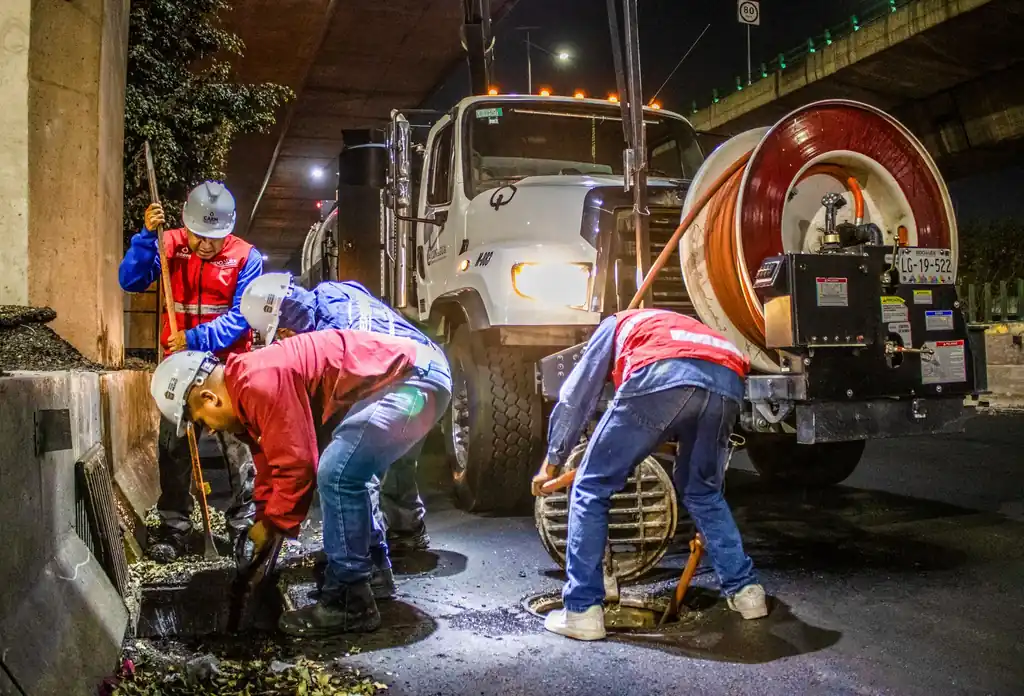
When your main line fails, you need main line replacement El Dorado Hills CA homeowners can count on. We handle sewer main line replacement in El Dorado Hills for slab-leak victims, root-choked clay lines, and homes on the older streets near Governor's Village and Crown Village. We camera the line, show you the footage, and replace only what's failed. Same-day estimates, clean job sites, and a written warranty on every line we put in the ground.
Useful updates and clear arrival timing.
Review the approach and price before deciding.
Equipped vehicles and respectful cleanup.
Neighbors serving neighbors with follow-through.
One price covers the whole job, from the first camera run to the final inspection sign-off. Here's what you get when we replace a main line in El Dorado Hills.
Full sewer camera run to the city connection with recorded footage, depth readings, and failure-point marking with a pipe locator. You keep the video file for your records or your buyer's inspector.
Trenching along the marked path, shoring per OSHA Safety Compliance, and complete removal of the old clay, cast iron, or ABS pipe. Landscaping protection goes down before the first cut.
New PVC pipe set at proper fall, glued with pipe cement, and seated with new sewer gaskets at every joint and at the city connection. Pipe sizing matched to IAPMO Uniform Plumbing Code for your fixture load.
The new line gets pressure-tested and re-cameraed while the trench is still open. You watch the footage before we backfill. If it doesn't pass, it doesn't get buried.
We pull the El Dorado County plumbing permit, meet the inspector on site, then backfill in compacted lifts and restore the surface with sod or seed. Warranty paperwork and footage handed over at the walkthrough.
Share what is happening and receive a clear next step from the local team.
Main line replacement El Dorado Hills CA is the full excavation and swap-out of the pipe carrying waste from your home to the municipal sewer or septic connection. We locate the line with a pipe locator, run a sewer camera through it, and mark the failure points with paint. Then we cut and remove the old clay, cast iron, or ABS pipe, trench the new run, and set PVC pipe at the correct fall so waste moves downhill the way it should. Fittings get glued with pipe cement, joints get sewer gaskets, and the whole run gets pressure-tested before we backfill.
Most El Dorado Hills calls we run come from three things: root intrusion in 1960s-era clay laterals, pipe corrosion in older cast iron, and ground movement on hillside lots. A backed-up line during a holiday dinner is the usual wake-up call. If you're searching for main line replacement near me El Dorado Hills, the honest answer is that a camera inspection tells you in 20 minutes whether you need a full replacement or a spot repair. We give you that answer before anyone picks up a shovel.
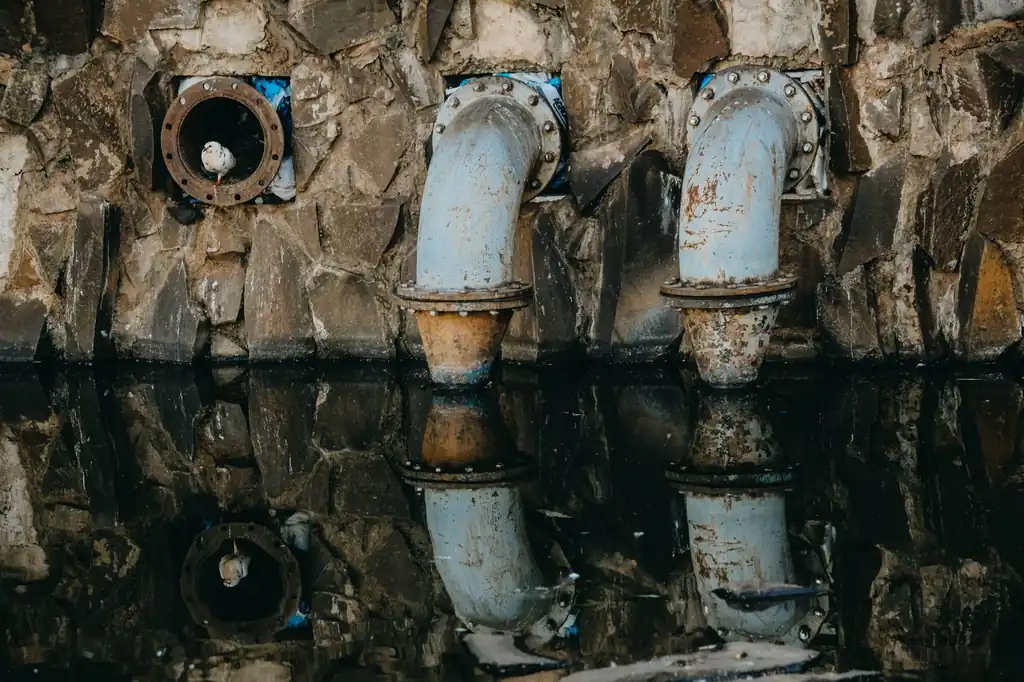
We run a sewer camera down the cleanout and push it to the municipal connection. You watch the monitor with us. We mark depth, material, and every failure point with a pipe locator so the excavation is surgical, not a random trench across your yard. This takes 30 to 45 minutes and costs nothing if you book the replacement with us.
You get one number for the full job: excavation, pipe, fittings, backfill, compaction, and permit. No line-item surprises later. If a spot repair will genuinely solve it, we'll tell you that instead. We'd rather do a $900 repair than a $9,000 replacement you didn't need.
We protect landscaping with plywood and tarps, then trench along the marked path. Old clay or cast iron comes out in sections. On deeper lines we shore the trench per OSHA Safety Compliance. Most residential replacements in El Dorado Hills are 3 to 6 feet deep and take one day to open and remove.
We set new PVC pipe at a minimum 1/4-inch-per-foot fall, glue joints with pipe cement, and seat sewer gaskets at the city connection. Then we pressure-test and re-camera the new line while it's still open. You see the footage before we bury anything. If it doesn't pass, it doesn't get backfilled.
We backfill in lifts, compact each one, and restore the surface. Sod or seed goes down where we cut. Then we walk the job with you, hand over the camera footage, the permit sign-off, and the warranty paperwork. Total job time is usually one to two days depending on depth and access.
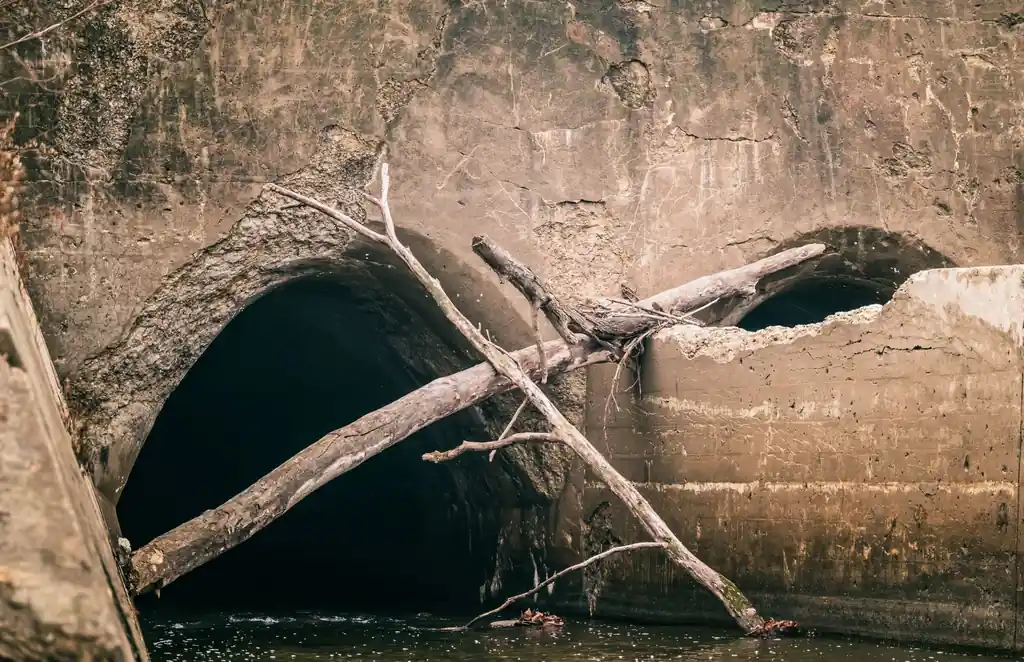
Pushed through the cleanout to record the full run, measure depth, and pinpoint cracks, bellies, and root intrusion before anyone digs.
Marks the exact path and depth of the line on the surface so excavation follows the pipe instead of guessing across the yard.
Clears grease, scale, and soft roots at 3,000 to 4,000 PSI so the camera sees bare pipe wall and the new line ties into a clean connection.
Cuts root masses inside the line for immediate flow restoration and lets us camera the pipe wall to decide repair versus replacement.
Pulled through the old line to break it outward while dragging new HDPE behind it, replacing the run with minimal surface disruption.
Carries CIPP liner and epoxy resin into place and cures it against the pipe wall, rebuilding a failing line from the inside without excavation.
Confirms test pressure on the new line and makes the final connections at the cleanout and city tie-in before backfill.
Pipe sizing, slope, and venting follow the Uniform Plumbing Code. We set sewer laterals at a minimum 1/4-inch-per-foot fall and match pipe diameter to the fixture load so the line scours itself clean on every flush.
The standard approach for most El Dorado Hills homes. We trench along the marked path, remove the old pipe, set new PVC, test it, and backfill in compacted lifts. Best when the line is shallow or the failure is widespread.
We pull a bursting head through the old line and drag new HDPE behind it. The old pipe breaks outward into the soil. Best for long runs under driveways, patios, and mature landscaping where open cut would be destructive.
A resin-saturated liner goes in on a bladder, gets inflated against the pipe wall, and cures in place. It creates a smooth new interior surface. Best for lines that are cracked but still structurally round.
We camera the full run, confirm root intrusion along 40-plus feet, and replace the entire lateral with PVC. Excavation follows the existing path to keep landscaping damage minimal. No more quarterly snaking. The homeowner went from three backups a year to zero, and the new line came with a written warranty that transferred at sale.
We cut a limited section of driveway, remove the cracked cast iron, and set new PVC with flexible couplings at both ends to absorb future movement. Concrete is restored after inspection. The line passed inspection on the first visit, the driveway was patched to match, and the homeowner avoided a full tear-out of the slab.
Camera footage showed a collapsed section and a belly holding waste. We replaced the failed run, corrected the fall, and hydrojetted the remaining pipe to clear scale. Tenant complaints stopped, the unit passed its county inspection, and the owner got documentation to show the next buyer.
We ran a same-week camera inspection, found one cracked joint, and did a spot repair rather than a full replacement. Permit and inspection were handled in four days. The sale closed on schedule. The buyer got footage and warranty paperwork, and the seller spent a fraction of what a full replacement would have cost.
El Dorado Hills sits on decomposed granite and clay, and that soil moves with the wet-dry cycle. Lines laid in the 1960s and 70s were mostly clay tile, and clay tile cracks when the ground shifts. We see the worst root intrusion in older tracts near Governor's Village and Crown Village, where mature oaks and pines sit within 20 feet of the lateral. Hillside lots in Serrano and The Promontory add slope to the equation, which means fall has to be set precisely or waste sits in the pipe. El Dorado County requires a plumbing permit and an inspection before backfill on any main line replacement, and we handle both. If you're comparing main line replacement vs repair El Dorado Hills, the camera decides it: a single cracked joint gets a spot repair, but a line with multiple failures, bellies, or crushed sections gets replaced. Winter storms raise the water table and expose failing lines fast, so fall is the season we get the most emergency calls. Summer is the easiest time to schedule a planned replacement before the rain hits.
Hillside lots with long laterals and mature oaks. Root intrusion is common, and slope means fall has to be set precisely or waste pools in the line.
Older tract homes with original clay laterals. We replace more full runs here than anywhere else in El Dorado Hills.
Tight side yards and shared utility corridors. Excavation has to be surgical, and we hand-dig the last few feet near the city connection.
Flatter lots with a higher water table. Bellies and saturated backfill show up often, and we correct fall during replacement.
Newer construction with ABS pipe. Failures here are usually installation-related, like a bad joint or insufficient fall, not age.
The ground swells when wet and shrinks when dry, which cracks rigid clay and cast iron pipe over time. Flexible PVC and proper bedding absorb that movement.
Roots find the smallest crack and grow into the line. We cut them out for the camera, then replace the damaged section with smooth PVC that roots can't grip.
Saturated soil exposes failing lines fast and makes trenching messier. We pump the trench and shore deeper digs per OSHA Safety Compliance.
Every replacement needs a permit and a pre-backfill inspection. We schedule both so the job doesn't sit open waiting on paperwork.
A 1968 home with original clay tile and roots at every joint. The owner had snaked the line four times in two years at $450 a visit, and backups were reaching the laundry room floor.
We replaced 62 feet of clay with 4-inch PVC at proper fall, tested it, and re-cameraed before backfill. The owner has had zero backups in the two years since, and the footage transferred cleanly when they refinanced.
Maintenance: Run hot water and a mild enzyme treatment monthly to keep grease from building up. Avoid flushing wipes and cooking oil. A camera check every three to five years catches anything early.
Ground movement cracked a cast iron line under a concrete driveway. Sewage was surfacing in the planting strip, and two other companies quoted a full driveway tear-out.
We cut a 4-foot section of driveway, replaced the cracked pipe with PVC and flexible couplings, and passed inspection on the first visit. The driveway was patched to match, and the homeowner saved roughly $6,000 over a full tear-out.
Maintenance: Keep heavy vehicles off the patched section for 30 days while the concrete cures. Watch for new settling cracks and call if the surface drops more than a quarter inch.
Sewage backed into a shower at 11 p.m. on a Sunday. The line was 5 feet deep with a collapsed section under a side yard too narrow for a mini-excavator.
We hand-dug the trench, replaced 38 feet of pipe, and had the line flowing by 4 p.m. Monday. The county inspected Tuesday morning, and the family was back to normal drains inside 24 hours.
Maintenance: Keep the cleanout accessible and marked. Don't plant trees or shrubs within 10 feet of the lateral. Schedule a camera check if drains slow down for more than a day.
Some line problems come back no matter how many times you snake them. Here's what we see most in El Dorado Hills and how a replacement ends it.
Repeat snaking costs $300 to $600 a visit and never fixes the crack the roots grew through. Eventually the pipe collapses and you're facing an emergency with no working drains. We cut out the root-damaged section or replace the full run with smooth PVC that roots can't grip. Root cutter and drain snake work clears the line for the camera; the new pipe is what keeps it clear.
Backups carry waste into showers, laundry rooms, and finished basements. Cleanup runs into the thousands, and the health risk is real, especially with kids in the house. We camera the line to find the blockage or collapse, then replace the failed section or the full run. New pipe at correct fall moves waste out the first time, every time.
A leaking main line saturates soil, kills grass in a strip, and can undermine a driveway or walkway. Left alone, it works its way toward the foundation. We locate the leak with the camera and pipe locator, replace the damaged pipe, and compact the backfill properly so the surface stops sinking. Most yards recover within a season.
Corroded or scaled pipe narrows the flow. Showers weaken, appliances take longer to fill, and the problem gets worse every year as corrosion spreads. On the water side, we replace the failing main with PEX piping or copper pipe sized to your fixture load. On the sewer side, we clear scale with hydrojetting and replace any crushed sections.
$4,500 - $12,000 depending on depth, length, and surface restoration
Typical 2026 pricing for a residential main line replacement in El Dorado Hills runs $4,500 to $12,000, with most jobs landing near $7,200. Depth is the biggest driver: a 3-foot line costs far less than a 7-foot line under a driveway. Pipe length, surface restoration, and concrete cutting all move the number. We quote one price for the whole job, including the El Dorado County permit and inspection. If a spot repair will solve it, we'll tell you and quote that instead. No pressure, no upsell.
A new main line is a 50-year fix, not a patch. Compared to repeat snaking at $450 a visit plus the risk of a flooded floor, the replacement pays for itself. You get camera footage, a permit sign-off, and a written warranty on the whole run.
Deeper lines need more excavation, more shoring, and more backfill. A line at 3 feet might take half a day; a line at 7 feet under a driveway can take two. Depth is the single biggest cost driver on most jobs.
Most El Dorado Hills laterals run 40 to 80 feet. Longer runs need more pipe, more fittings, and more labor. Diameter matters too: a 4-inch line costs more per foot than a 3-inch, but it handles the fixture load better.
Grass and dirt restore easily with sod or seed. Concrete, pavers, and decorative landscaping add cost because they have to be cut, removed, and rebuilt to match. We tell you the restoration scope before we dig.
PVC is the standard for replacement and the most cost-effective. Copper pipe and PEX piping apply to water main work and price differently. We match the material to the line and the code requirement.
Tight side yards, mature trees, and buried utilities slow excavation. Hand-digging near gas, electric, and water lines takes longer than machine work. We locate everything before the first cut.
El Dorado County requires a plumbing permit and a pre-backfill inspection. The fee is modest, but it's part of the job. We pull it and meet the inspector so you don't have to.
Our technicians hold California State Contractor License (C-36) credentials and work to IAPMO Uniform Plumbing Code standards on every line. We run RIDGID and Spartan Tool cameras, Milwaukee and DEWALT excavation support gear, and Perma-Liner and Nu Flow systems when a trenchless option fits better than open cut. Every job gets a backflow prevention check at the connection. We've worked the hillside lots off Serrano and the tight side yards in Stonegate long enough to know where the utility conflicts are before we dig.
Our line backed up three times in one year and two other companies just kept snaking it. These guys cameraed it and showed me a root ball the size of a basketball at 42 feet. Replaced 58 feet of clay with PVC in one day. They laid plywood over the landscaping, and you can barely tell they dug. No backups since.
Sewage came up in the laundry drain on a Sunday night. They answered at 11 p.m., were out by 7 the next morning, and had the line replaced and backfilled by 4 p.m. The price they quoted was the price I paid. They even handled the El Dorado County permit and the inspection.
We were selling and the buyer's inspector flagged the sewer line. They cameraed it, found a collapsed section under the driveway, and did a spot repair instead of pushing a full replacement on us. Saved us thousands and the sale closed on time. Honest crew.
Most residential main line replacements in El Dorado Hills run $4,500 to $12,000 in 2026, with the typical job landing near $7,200. Depth drives most of it: a 3-foot line costs far less than a 7-foot line under a driveway. Pipe length, surface restoration, and whether we cut concrete all move the number. You get one written price before we dig, and the camera inspection is free when you book the replacement with us.
A standard residential replacement takes one to two working days from dig to backfill. Camera and locate happen the same day you call. Excavation and pipe setting usually finish in a single day on lines under 60 feet. Deeper lines, concrete cutting, or a long run to the city main can push it to three days. We tell you the expected window before we start and call if anything changes.
Homeowner policies in California rarely cover the pipe itself, but many cover the resulting damage, like a flooded floor or ruined drywall. Some carriers sell a sewer line endorsement that pays for the replacement. We document the failure with camera footage and photos so your adjuster has what they need. Call your carrier before we dig and we'll work with whatever they approve.
Yes. El Dorado County requires a plumbing permit for any main line replacement, and the work has to pass inspection before backfill. We pull the permit, schedule the inspection, and meet the inspector on site. Skipping the permit can void your warranty and create a title problem when you sell. It's included in our quoted price, not billed as an extra.
Not seeing your question? Our local team can help you understand urgency, scheduling and what to expect.
Ask the local team
Every replacement starts here. We push a RIDGID camera to the city connection and record the full run. You get the footage file, the depth readings, and a written condition report you can hand to a buyer or an insurance adjuster.
View service
Before we replace a line, we hydrojet it to clear grease and scale so the camera sees bare pipe, not buildup. After replacement, hydrojetting keeps the new PVC clean. We run the hydrojetting machine at 3,000 to 4,000 PSI, matched to pipe material.
View service
If roots are the only problem and the pipe is otherwise sound, a root cutter on a drain snake clears the intrusion without excavation. We camera afterward to confirm the pipe wall is intact. When the wall is crushed, that's when replacement makes more sense.
View service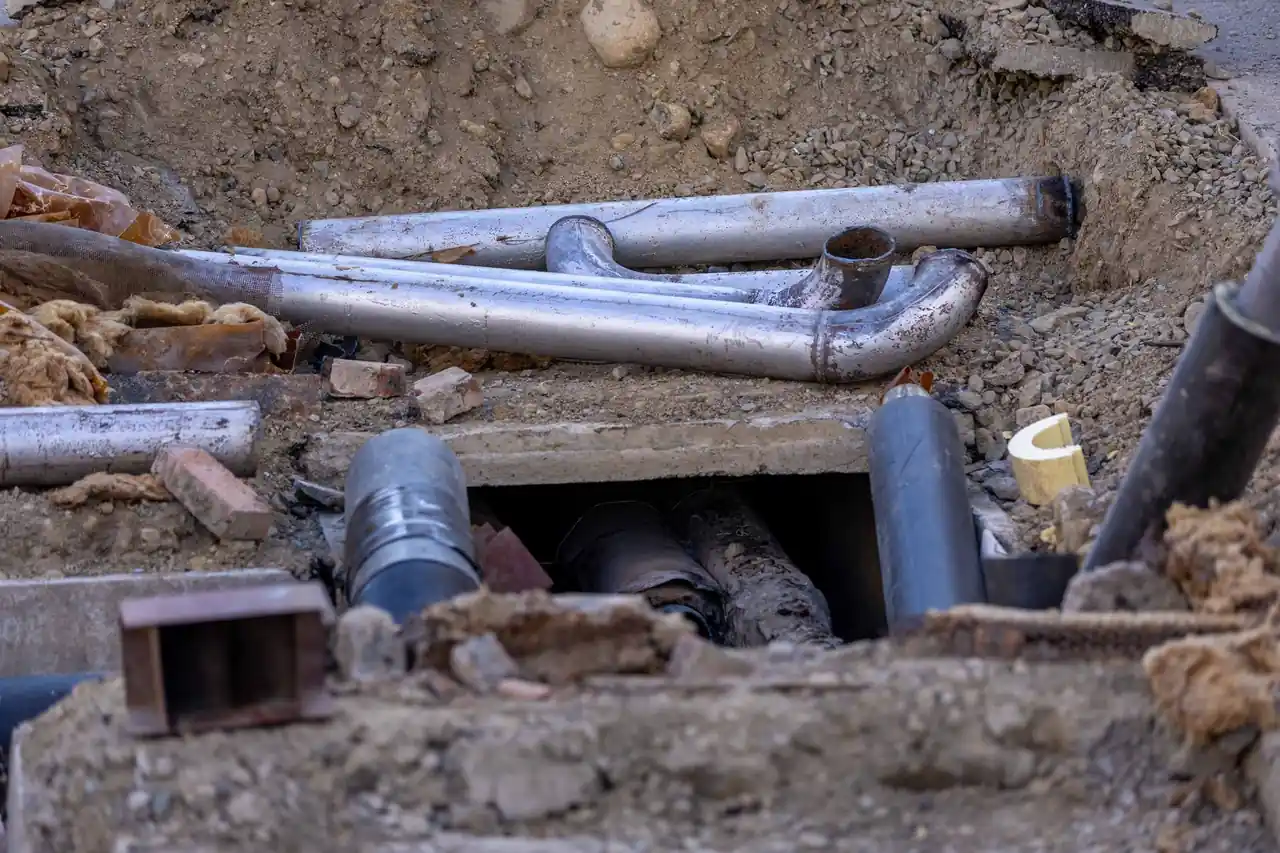
CIPP liner and epoxy resin let us rebuild a failing line from the inside when excavation isn't practical, like under a finished patio. A pipe lining bladder carries the liner into place and cures it. It's a trenchless alternative to full replacement on the right line.
View serviceIf your drains are backing up or you smell sewage in the yard, call us at 916-975-0088. We answer 24/7 and dispatch emergency crews throughout El Dorado Hills and El Dorado County. For scheduled work, we book most jobs within a few days and confirm your window the day before.